
The Best Safari Destinations in the World
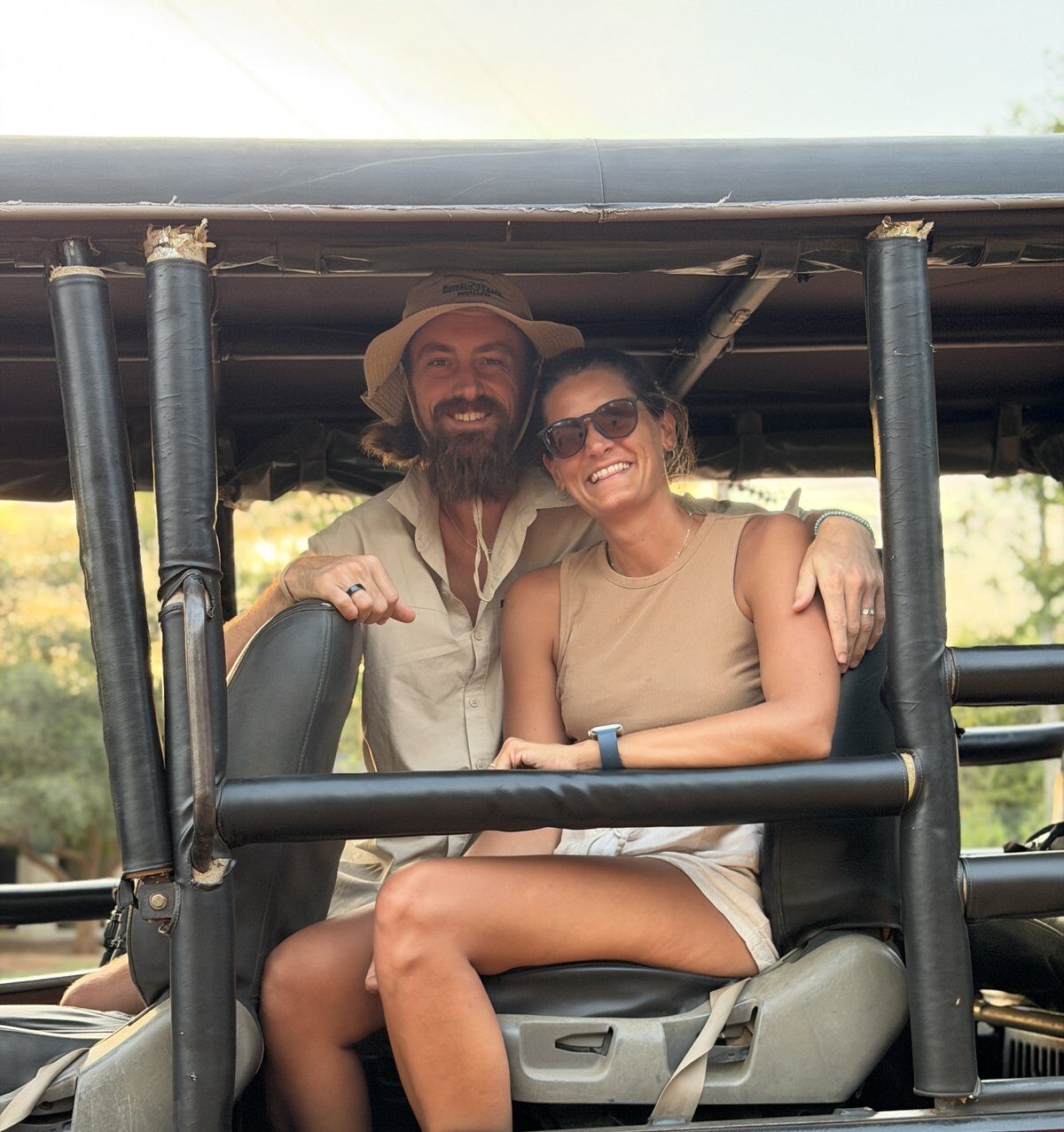
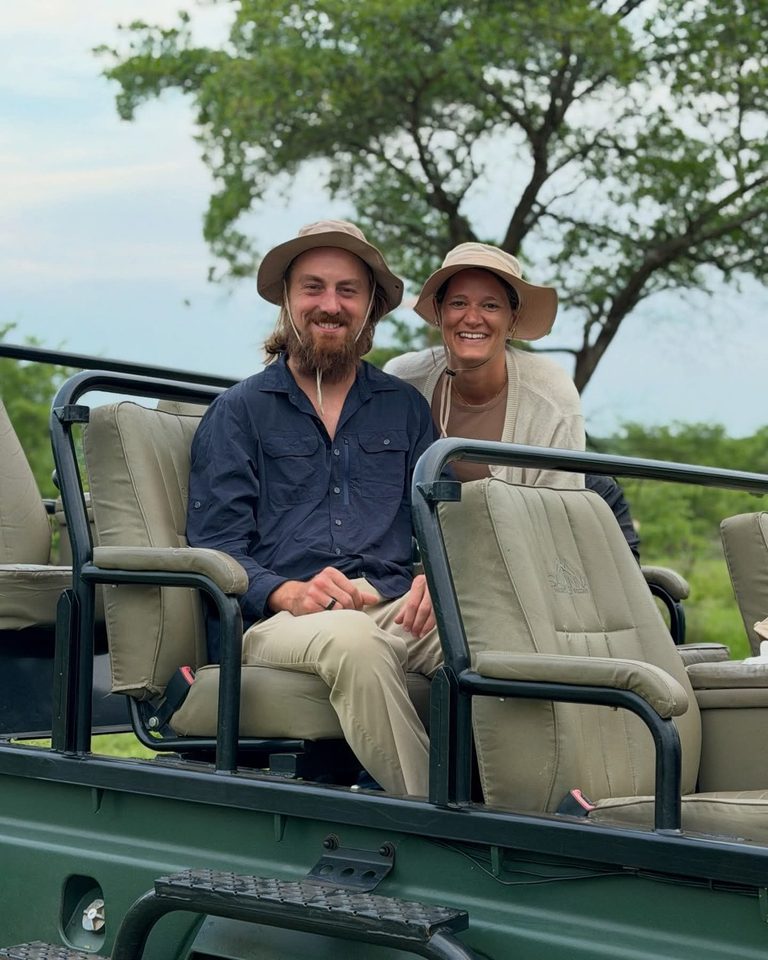
We’ve been on more than 50 safari game drives across multiple continents. We’ve done everything from open-vehicle drives through African savanna, tiger tracking in Indian tiger reserves, leopard spotting in Sri Lankan scrub jungle, to island hopping by boat for Komodo Dragons in Indonesia.
When people ask us for the best safari destinations, the honest answer is “it depends on what you want to see and how you want to see it.” So instead of one answer, here’s how we’d rank the best countries to go on safari, and which parks within each one are actually worth your time.
This guide primarily covers African safaris but also includes some information about Asian trips as well. In the future we’ll be covering our South and North American animal experiences.
We’ve been traveling all over the world on safaris for the past 7 years and were instantly hooked after going on our first game drive. It’s one of the first things we mention to anyone looking to take a trip to a far off land, so we hope we can share some of our knowledge here!
Quick Comparison: Safari Countries at a Glance
| Country | Key Parks/Reserves | Best For | Best Time to Go |
|---|---|---|---|
| South Africa | Sabi Sands, Kruger | Big 5 animals, luxury lodges | May – September (dry season) |
| Tanzania | Serengeti, Ngorongoro Crater | The Great Migration, dense year-round wildlife | June – October (or Jan – March for calving); Ngorongoro is good year-round |
| Kenya | Masai Mara, Amboseli | River crossings, predators, elephants with Kilimanjaro views | July – October |
| Botswana | Okavango Delta, Chobe | Water-based safaris, largest elephant herds in Africa | May – October (dry/flood season) |
| India | Pench National Park | Tiger tracking, budget-friendly | October – June |
| Sri Lanka | Yala National Park | Highest leopard density in the world | February – June |
| Indonesia | Komodo National Park | Komodo dragons, more boat/ocean time | May – September (dry season) |
Jump to Safari Destinations:
1. South Africa
South Africa is probably the best country for a first safari because the infrastructure is so well built out, and there’s so much else to do in the country besides safari. You have world class wineries, beaches, hiking, surfing, and more. Kruger and its surrounding private reserves are the main draw, and if you’re picking one, Sabi Sands is our top recommendation. It is one of the top safari destinations in the world.
Sabi Sands Reserve
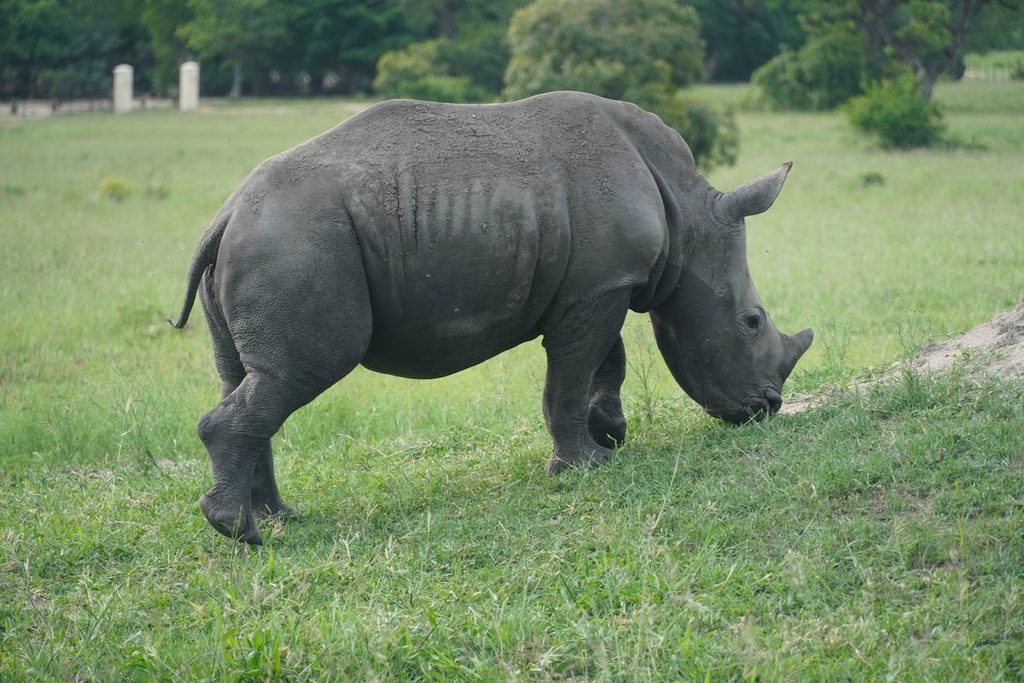
Sabi Sands is a private reserve bordering Kruger National Park, and it’s the closest thing to a guaranteed Big 5 sighting that exists in Africa. Because it’s private land, vehicles aren’t restricted to roads, guides can drive off-track to get you right next to a leopard in a tree or a pride finishing a kill.
Kruger National Park is the larger well known park, with many other lodging options available, but if you want a more private boutique experience, the private reserves surrounding the park are the way to go.
We stayed at Savanna lodge here and it was probably the nicest lodge that we’ve ever stayed at. The service was unmatched, exemplified by them having a bath drawn in your room with small glasses of port wine for when you return from your afternoon game drive.
It was certainly the most expensive place we’ve stayed at but it’s definitely worth it if you’re looking to splurge and want the best safari experience possible. To give an idea of rates, rooms with everything included are north of $1k+ per night.
For more information, check out our guide on whether or not Sabi Sands or Kruger National park is right for you.
Best for: first-time safari-goers who want the highest odds of seeing everything, and people looking to splurge on a high end safari.
2. Tanzania
Tanzania has more protected wildlife land than any other African country, and the Serengeti-Ngorongoro combination is the classic way to see it. You get the vast plains for the migration, then a single crater that concentrates an almost absurd density of wildlife into one bowl. Most itineraries combine both safari destinations in a single trip.
Serengeti
The Serengeti is the destination most people picture when they imagine an African safari. Think endless golden plains, and during migration season, wildebeest and zebra stretching to the horizon in every direction.
Serengeti means “endless plains” and that is absolutely true of this environment. You can keep driving for hours and hours and see nothing but animals and grassland.
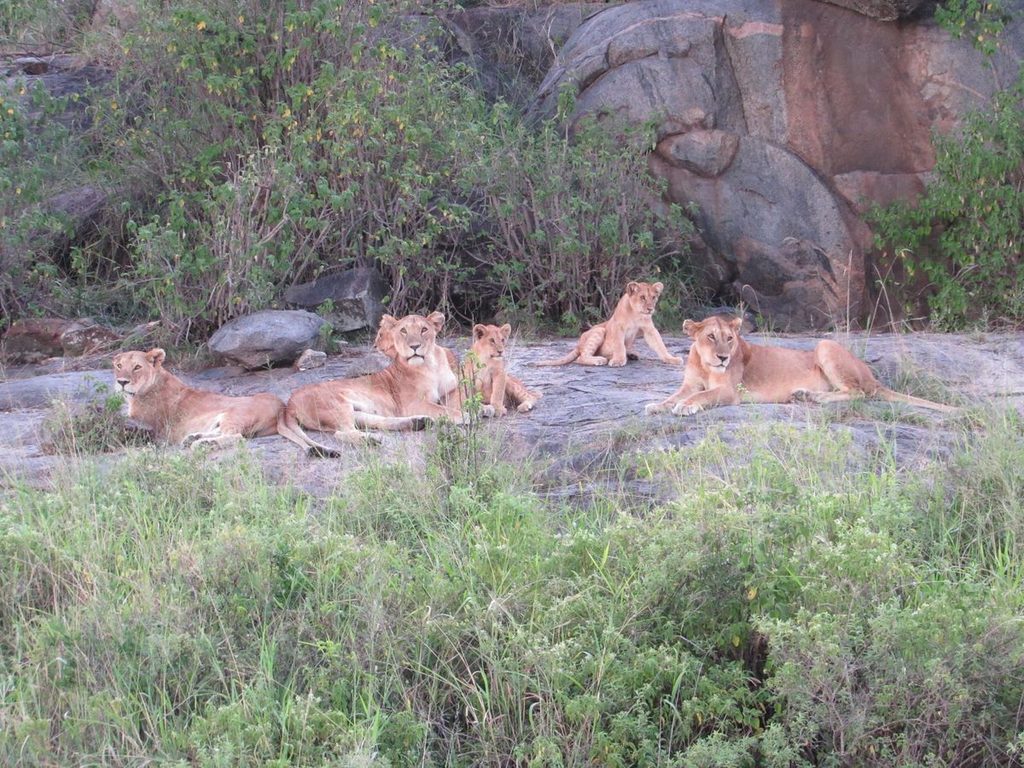
We saw 50 (!) lion sightings over our 3 days in the Serengeti and that is one of the main draws of the park, their big cats. We didn’t get a chance to see a river crossing but we still saw large groups of wildebeest and zebras that were moving as part of the great migration and it was truly mind blowing to see how many animals were gathering (10s of thousands) and moving together.
Best for: Travelers timing a trip around the Great Migration, and anyone who wants the classic, big-sky safari experience.
Ngorongoro Crater
Ngorongoro is a collapsed volcanic caldera that trapped a huge population of wildlife inside its walls year-round, so instead of driving for hours to find animals, you descend into the crater floor and they’re just there. It’s one of the few places in Tanzania where black rhino sightings are realistic, and because the wildlife doesn’t migrate out, it’s a reliable add-on to a Serengeti trip regardless of when you go.
Heads up there are no giraffes in the crater due to the steep walls of the crater and lack of food that they like, so you’re better off going to the serengeti or other parks if you want to see giraffes specifically.
We stayed at a lodge along the rim of the crater and the atmosphere here was definitely cooler and more mountainous, staying outside the rim and then driving in for the day to go on game drives.
Best for: travelers who want dense, reliable wildlife sightings in a single day, and anyone trying to see rhino.
3. Kenya
Kenya is the birthplace of the modern safari, and it still delivers two very different experiences depending on which park you choose: the predator-heavy plains of the Masai Mara, or the elephant herds and Kilimanjaro backdrops of Amboseli.
Masai Mara
The Masai Mara is the Kenyan side of the same ecosystem as the Serengeti, and it’s where the Great Migration’s river crossings happen: herds crossing the Mara River past waiting crocodiles. We have not seen it in person but have seen documentaries on it and it looks incredible.
Outside of migration season, the Mara still has some of the highest predator density in Africa, with well-known lion prides and healthy cheetah and leopard populations.
There are a variety of options across many different budgets to stay at. Depending on where you stay, most lodges are about 5-6 hours from Nairobi, and Nairobi has flights all over the world, so this is relatively easy to get to.
Best for: travelers who want to see a river crossing specifically, and anyone who wants ease of travel from an international airport
Amboseli
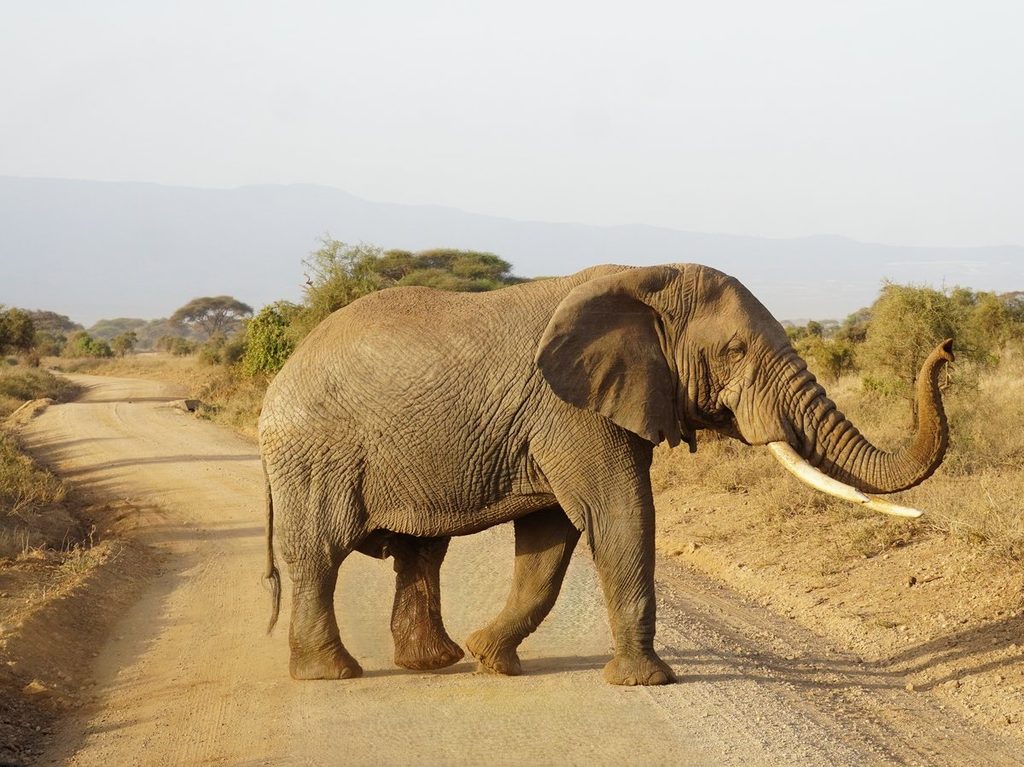
Amboseli sits in the shadow of Mount Kilimanjaro, and the combination of open swampland and that backdrop makes for some of the most photographed elephant shots in Africa. The park is known for its “big tuskers,” older bull elephants with unusually large tusks, and the swamp ecosystem keeps animals concentrated and visible even in dry season.
Amboseli is about an 8 hour drive from the Masai Mara so it’s nice to combine the parks to get some different environments and different animal sightings.
Best for: photographers chasing the classic elephant-with-Kilimanjaro shot, and travelers pairing a Nairobi-based trip with the Mara.
4. Botswana
Botswana runs a low-volume, high-cost tourism model, which means fewer vehicles, more exclusive camps, and two very different ways to see wildlife: by mokoro through the Okavango Delta, or from a boat cruising the Chobe riverfront.
Okavango Delta
The Okavango Delta is unique because instead of (or in addition to) game drives, you’re moving through the waterways by mokoro (a traditional dugout canoe) or motorboat. It floods seasonally, which pushes wildlife onto higher ground and concentrates it in a way that makes for incredible sightings, and Botswana’s low-density, high-cost tourism model means camps are small and far apart, you can go a full day without seeing another vehicle.
We stayed at MmaTsebe camp and although we were there in the low season (late December), we still managed to see tons of elephants, leopards, and lions.
Best for: repeat safari travelers looking for something different from a standard game drive, and anyone who wants exclusivity over volume of sightings.
Chobe National Park
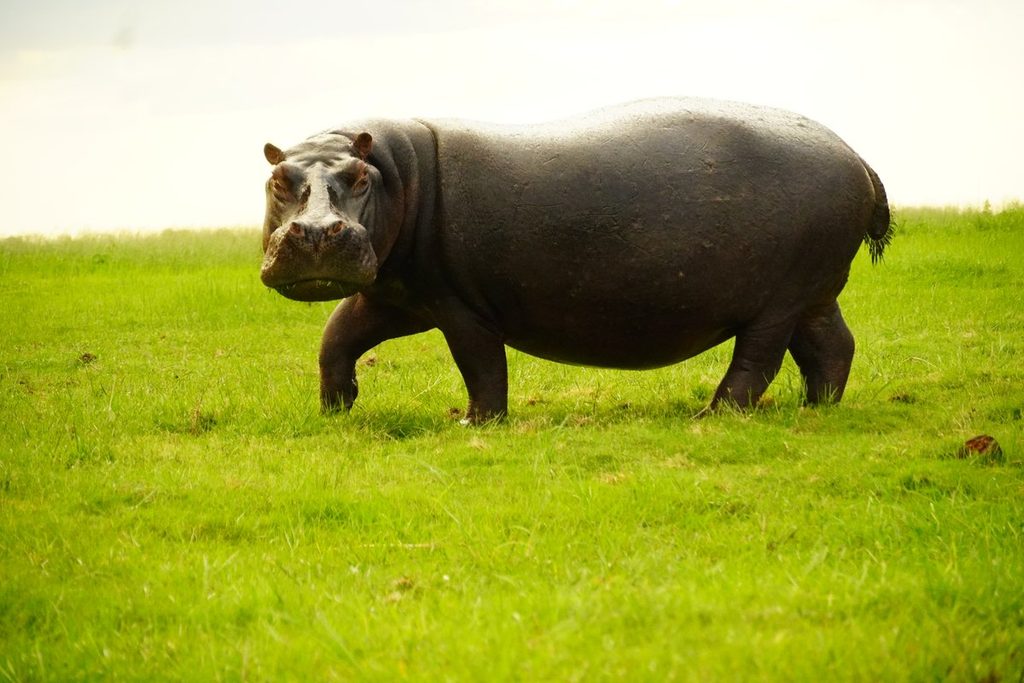
Chobe has the largest elephant population of any national park in Africa, and the easiest way to see them is from a boat on the Chobe River at golden hour, with herds coming down to drink a few feet away. It’s also one of the more accessible parks on this list logistically, it’s a common add-on from Victoria Falls, reachable by road rather than requiring a bush flight like most of the Okavango.
Chobe is another park that is relatively easy to get to, only 15 minutes from the Kasane airport (BBK) in Botswana, or 1 hour and 15 minutes from the Victoria Falls International airport (VFA). We went to Chobe before heading into the Okavongo delta and thought they were a great combo
Best for: travelers combining safari with Victoria Falls, and anyone who wants elephants specifically.
Now these next countries aren’t in Africa, but they were some of our favorite safaris that we have taken in Asia.
5. India
India isn’t typically the first country people think of for safari, but its tiger reserves are a completely different, and far more affordable, experience than an African game drive.
Pench National Park
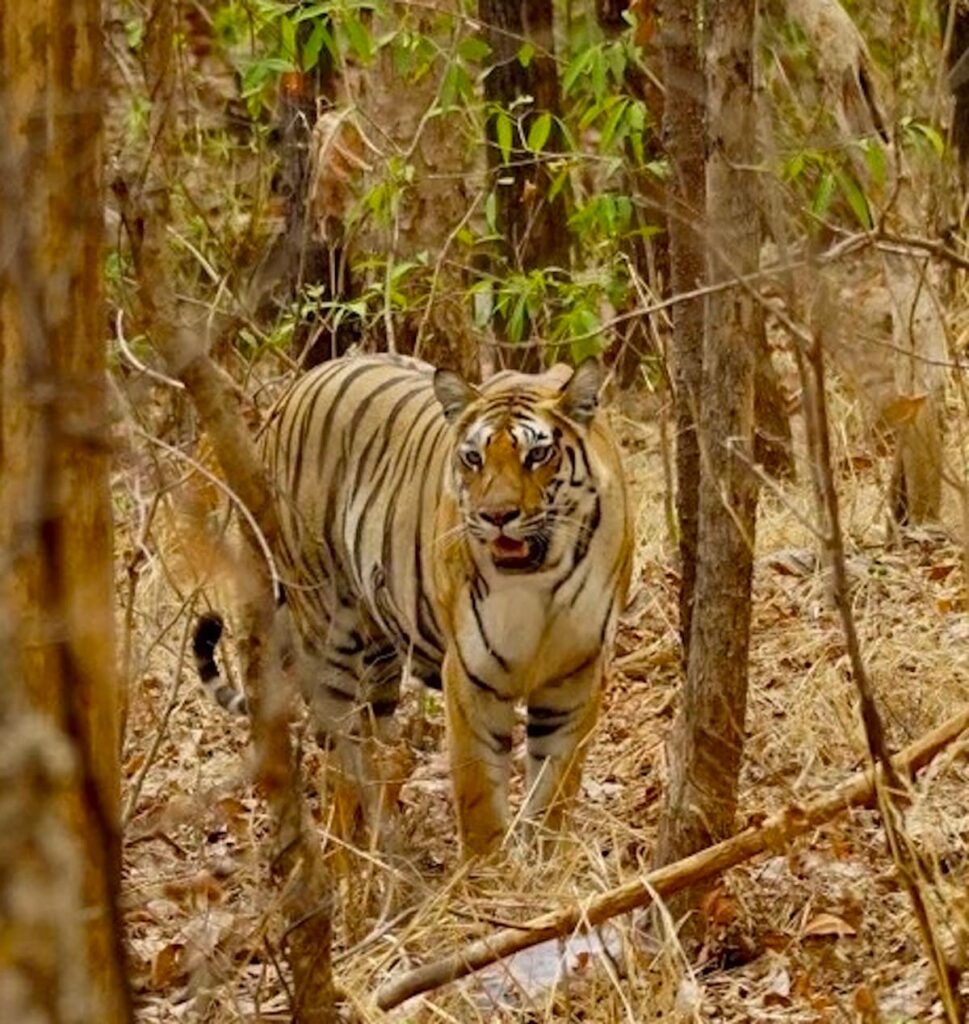
Pench is one of India’s top tiger reserves and it’s the forest that inspired Rudyard Kipling’s The Jungle Book. It’s a completely different style of safari from an African game drive: dense forest, jeep tracking along river drainages, and the specific thrill of tracking a single tiger rather than driving past dozens of animals in an afternoon.
It’s also dramatically more affordable than an African safari, which makes it a good option for building a safari habit before committing to a bigger trip.
We cover the full experience of lodge options, cost breakdown, and what gear to bring in our full guide to tiger safaris in Pench.
Best for: travelers who want tigers specifically, and anyone looking for a budget-friendly way into safari travel.
6. Sri Lanka
Sri Lanka packs an outsized safari punch for its size, and it’s easy to combine with a beach or cultural itinerary elsewhere on the island.
Yala National Park
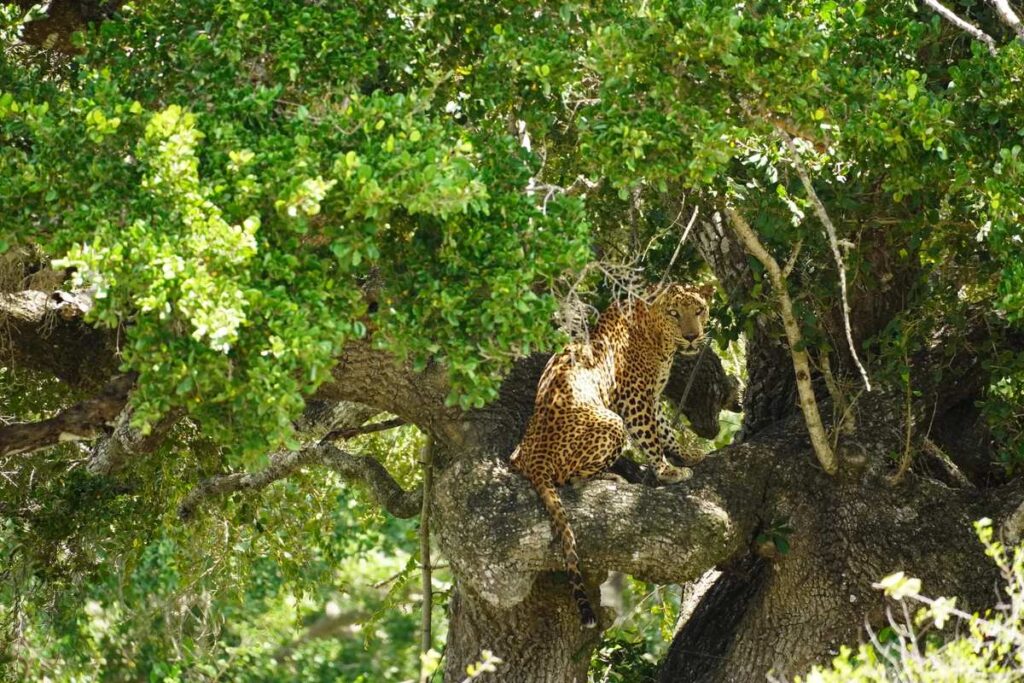
Yala has the highest density of leopards of any park in the world, which makes it one of the few places where you have a real shot at multiple leopard sightings in a single visit rather than one lucky glimpse. Now the jungle is very dense so it can be tricky to see them, and it depends on your luck on how many you’ll actually see. It has a mix of scrub jungle, lagoons, and coastline that brings in elephants, sloth bears, and huge numbers of birds alongside the leopards.
We wrote up the full breakdown including where to stay, what it costs, and what to pack in our full guide to Yala National Park.
Best for: leopard-focused travelers, and anyone combining a safari with a broader Sri Lanka itinerary.
7. Indonesia
Indonesia isn’t your traditional game drive safari, it’s more sea based, with a small land element of walking.
Komodo National Park
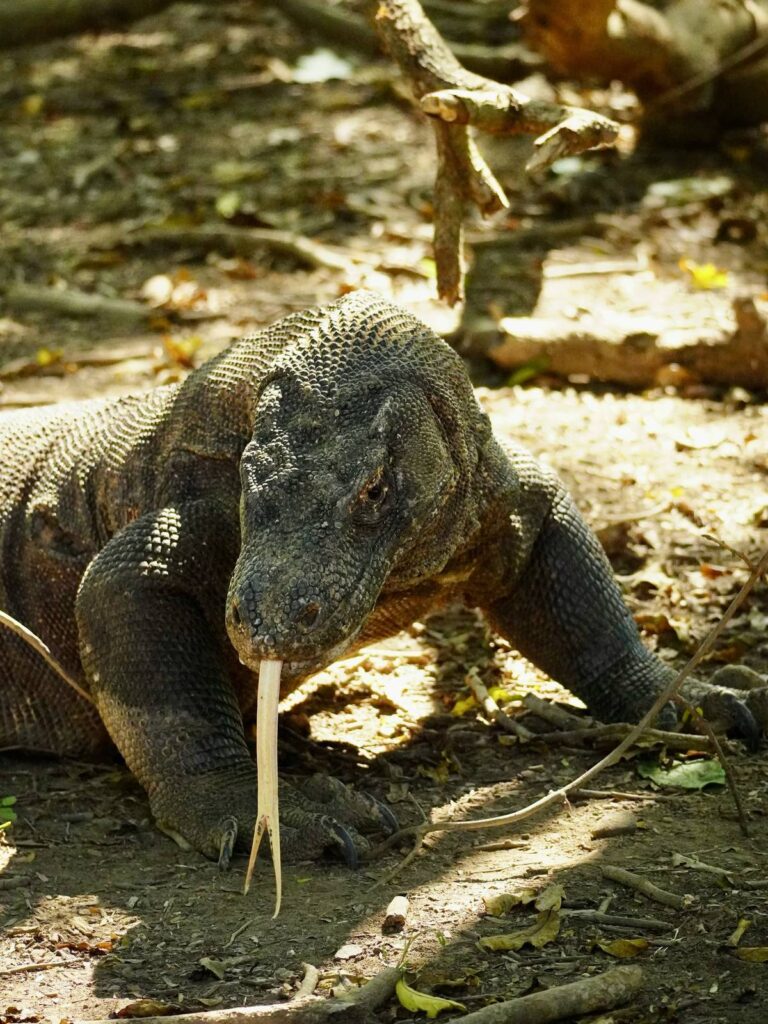
Komodo national park is the only place in the world that you can see Komodo dragons, and that’s why we wanted to include it on this list. If you’re an animal enthusiast and you’ve already done African safari, then this is a great changeup.
The park itself is on many different islands, so most of the time is spent on a boat going around the islands, and the park itself is only a short few hour walking tour to see the dragons. See more about our time in Komodo at our guide here: Komodo Liveaboard Guide
Best for: wildlife enthusiasts who’ve already done a classic Big-5 safari and want something completely different, and travelers who want more ocean time
Frequently Asked Questions
What is the best safari destination for a first-time visitor?
South Africa is probably the best country because the infrastructure is so well built out and there are many different things to do in the country besides just safari (wineries, beaches, hiking, surfing, and so much more).
Which safari destinations have the best wildlife sightings?
It depends on what “best” means to you. For sheer volume, the Serengeti and Masai Mara are hard to beat. For guaranteed close-up sightings of specific animals, Sabi Sands (Big 5), Amboseli or Chobe (elephants) and Pench (tigers) are the strongest picks.
Is an African safari or an Asian safari better?
They’re different experiences rather than better-or-worse. African safaris (Serengeti, Masai Mara, Sabi Sands, Okavango) generally offer more animals per drive and more open terrain. Asian safaris like Pench and Yala are about tracking a specific animal (a tiger or leopard) through denser terrain, and they’re significantly cheaper.
How many days do you need for a good safari?
Generally we say 2-4 days per park, depending on how much time you have and what the rest of your trip looks like. If you’re hitting multiple parks in one country you could do 2 days at one park and 2 days at another, but if you’re only going to one safari location then 3-4 days would work better.
Can you combine multiple parks in one country?
Yes, and it’s often the smart move. Serengeti + Ngorongoro, Masai Mara + Amboseli, and Okavango Delta + Chobe are all natural pairings, since the parks are close enough to combine in one trip and different enough (open plains vs. concentrated crater, predators vs. elephants, water safari vs. river boat safari) that you’re not just repeating the same experience twice.
What’s the difference between a national park and a private reserve safari?
National parks (like the Serengeti, Masai Mara, and Yala) are open to any licensed operator, which means more vehicles at popular sightings and drives restricted to roads. Private reserves (like Sabi Sands and most Okavango concessions) limit the number of vehicles and allow off-road driving, which usually means better sightings but a higher price tag.
Final Thoughts
Safari is really one of the most magical trips that you can take, and we recommend it for everyone that loves nature and adventure! Stay tuned for our safari packing guide that is coming up, as well as more detailed guides to some of the African safari destinations mentioned.
Have questions about Safari destinations? Drop us a message or find us on Instagram @CheckedOutToCheckIn for more information!
P.S. – This post contains affiliate links for the lodges we love. If you make a purchase or book directly through these links, we may earn a small commission at no extra cost to you. This helps us keep the blog running!
One Comment