
Sumatra Orangutan Trekking Guide (Lodge, Cost & Gear)
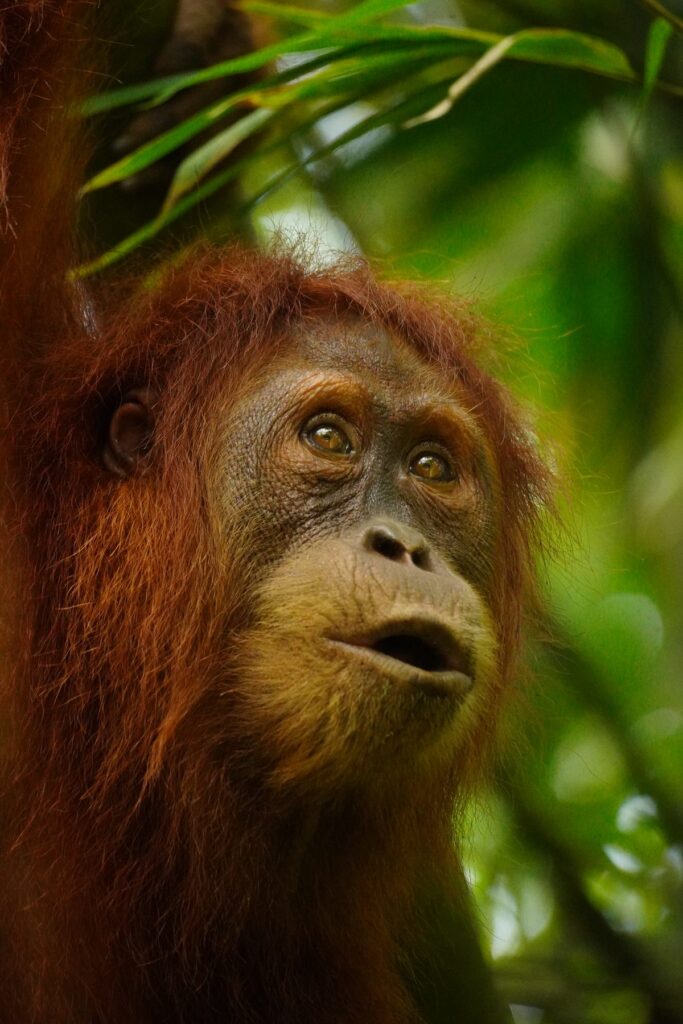
The first moment we spotted an orangutan, we were mesmerized. These animals look so similar to humans and have some very similar mannerisms that you can see how the theory of evolution started to connect those dots all those years ago. The magical part about this trek is that not only did we see five orangutans but two of them were within a few feet of us and did not seem bothered that we were there!
This guide covers everything you need to plan a Sumatra orangutan trek: how to get there, what to expect on the trail, how to choose an ethical operator, and what it actually costs!
Why Bukit Lawang for an Orangutan Trek?
Orangutans exist in the wild on only two places in the world; Borneo and Sumatra, both in Indonesia. We researched both and chose Sumatra for one specific reason, the experience felt wilder.
Most Borneo operators take you to research centers with established feeding platforms, where you view orangutans at a scheduled time in a semi-managed setting. It is still impressive because you’re not seeing them in the zoo, but it’s a different experience than trekking through dense jungle and coming across an animal on its own terms like in Sumatra.
Enter Bukit Lawang in Sumatra, Bukit Lawang sits on the edge of Gunung Leuser National Park, one of the last places on earth where orangutans roam. The orangutans here have an unusual history, many are descendants of animals that were kept as pets in nearby villages decades ago. Their grandparents or great-grandparents were habituated to humans, which means these animals don’t carry the same genetic fear response as truly wild ones. You’re not disturbing them by being there but they’re still fully wild, still deep in the jungle, and still doing exactly what orangutans do.
The fact that it is relatively accessible and still authentic is what makes Bukit Lawang the best base to begin your Sumatra orangutan trek from.
Getting to Bukit Lawang
Fly into Medan (Kualanamu International Airport, KNO), which has good connections throughout Southeast Asia (we flew direct from Singapore).
From Medan, it’s a 4-hour drive to Bukit Lawang. It’s through some pretty tough winding pothole filled roads so we’d definitely recommend hiring a driver. You can arrange private transfers through your accommodation or trekking company. Most companies will coordinate airport pickup for a reasonable fee (cost breakdown below!)
Pro tip: Book your transfer in advance. Your lodge or trekking company can usually arrange this, and it simplifies arrival logistics considerably.
Choosing an Ethical Trekking Operator
This decision matters more than any other you’ll make for this trip. Unethical operators make animal sounds to attract orangutans, allow guides to get too close, don’t pack out waste, and prioritize sightings over animal welfare. The short-term payoff is a better photo; the long-term cost is habituating wild animals in ways that put both the animals and future visitors at risk.
We booked with Sumatran Orangutan Explorers (SOE), and they set the standard for what ethical trekking looks like in practice.
Before the trek, they sat us down and walked through clear rules:
- Maintain a safe distance from all animals at all times
- No feeding, no mimicking animal sounds, no behavior designed to attract or provoke
- All waste (including food scraps) gets packed out
On the trail, they enforced these standards consistently. We watched other guides in the park making animal calls; SOE’s team did not. It’s a small behavior that signals how the whole operation is run.
Book with Sumatran Orangutan Explorers
What to Expect on the Trek
The Route
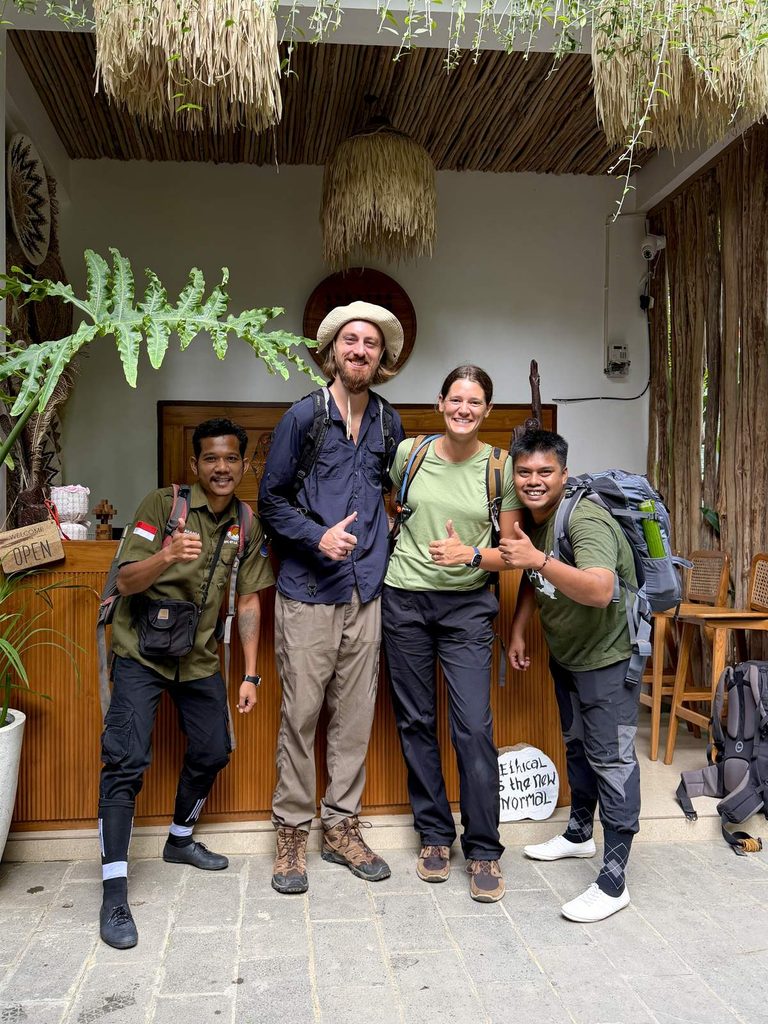
The trek starts from SOE’s base in Bukit Lawang town. You get a chance to walk through the town itself, passing shops and restaurants. There’s shops on the way where you can buy any last minute items you need before you get into the jungle. Then you cross a bridge, and you are out of the town and the jungle starts to become more dense.
There are a handful of jungle lodges in the early section, but after that it’s proper wilderness. You enter Gunung Leuser National Park and conditions change quickly; thick canopy, dense undergrowth, steep rolling terrain.
The Conditions
Prepare for heat. We’re talking 100°F+ with humidity that makes it feel worse. Our clothes were soaked within the first thirty minutes. The terrain involves uphill climbs and steep descents but nothing technical. The guides are experienced at setting a pace that works for the group, and we never felt rushed or pushed past what was comfortable.
We trekked for approximately 6 hours total (around 4 miles), with two snack breaks and a full lunch included.
The Wildlife
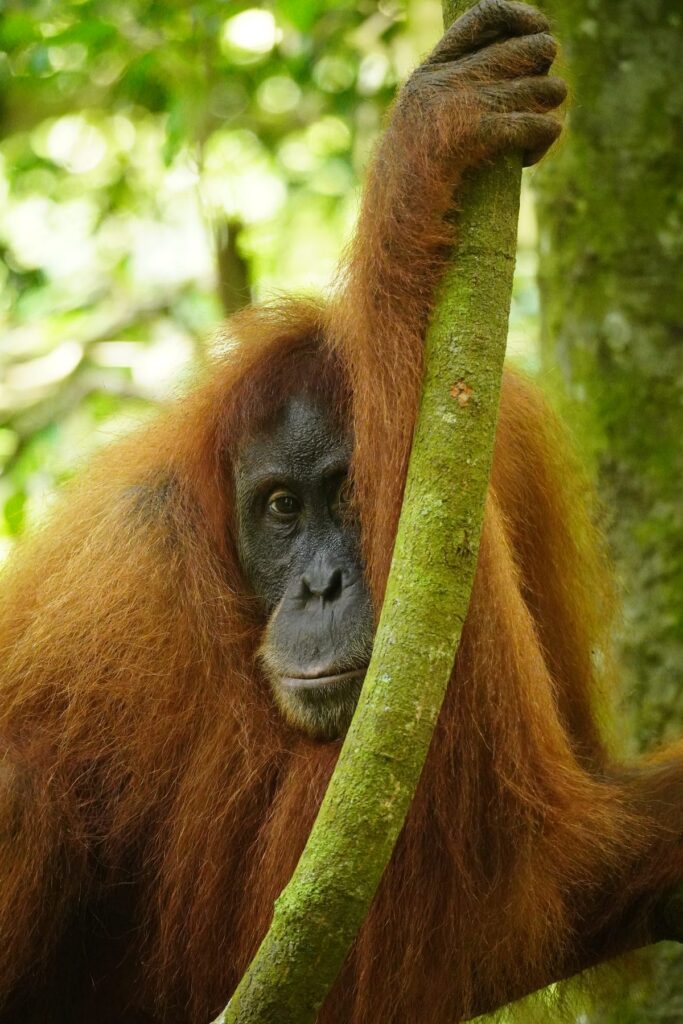
We saw 5 orangutans on a single day trek. Two of them came within a few feet of us and seemed very unbothered by us being there. In terms of your chances of having a sighting, our guides estimated a 70%+ chance of sighting on any given day, so we felt pretty good about our chances going into the trek.
Beyond orangutans, we spotted four species of monkeys and that included two types of macaques (pigtail macaque and long tailed), a Thomas’s langur, and a silvery lutung. Some of these got closer than others, but there was definitely more to see than just the orangutans.
The Food
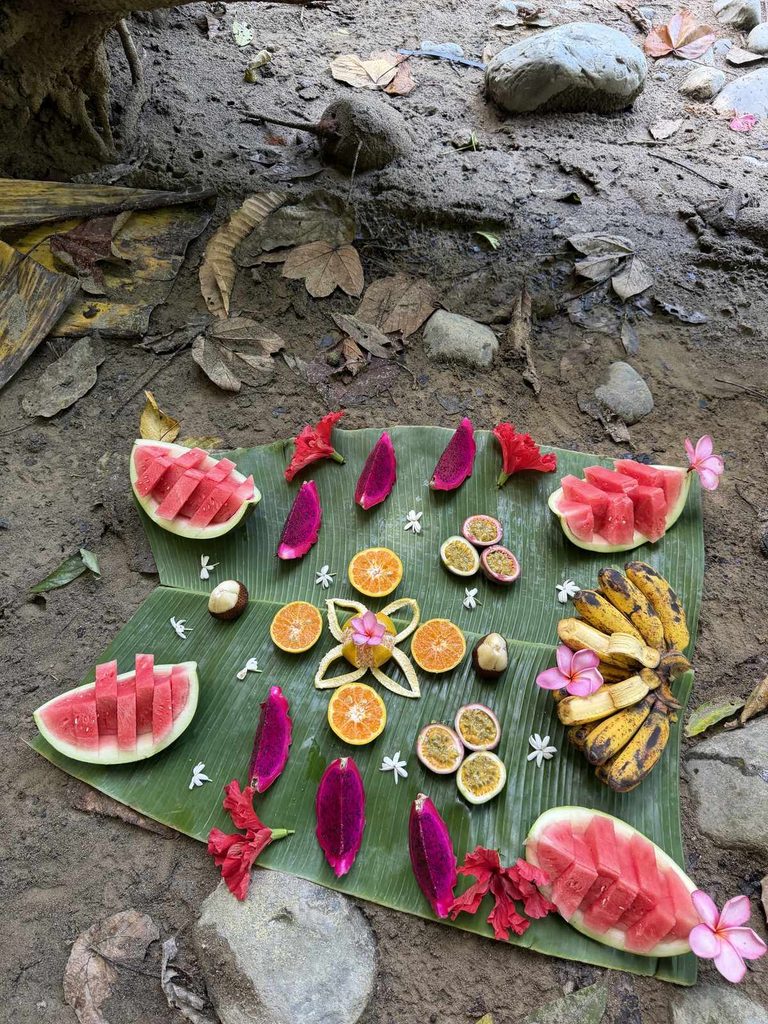
Two words… fresh fruit. Our guides brought the fruit and cut it freshly on the trail, and it was delicious! The fruits included watermelon, dragonfruit, passionfruit, banana, pineapple, and snake fruit (a new one for us, similar in texture to jackfruit with a slightly acidic sweetness). When we asked why they didn’t pre-cut it, our guide said simply that it wouldn’t taste as good.
Lunch was a proper meal, chicken drumstick with fried rice and egg for the meat option. They had tempeh and tofu with fried rice for the vegetarian option (they accommodated this without issue). The rice was well-seasoned with a satisfying level of heat. Food is the last thing you’ll need to worry about on this trek.
The Return: Rafting Back
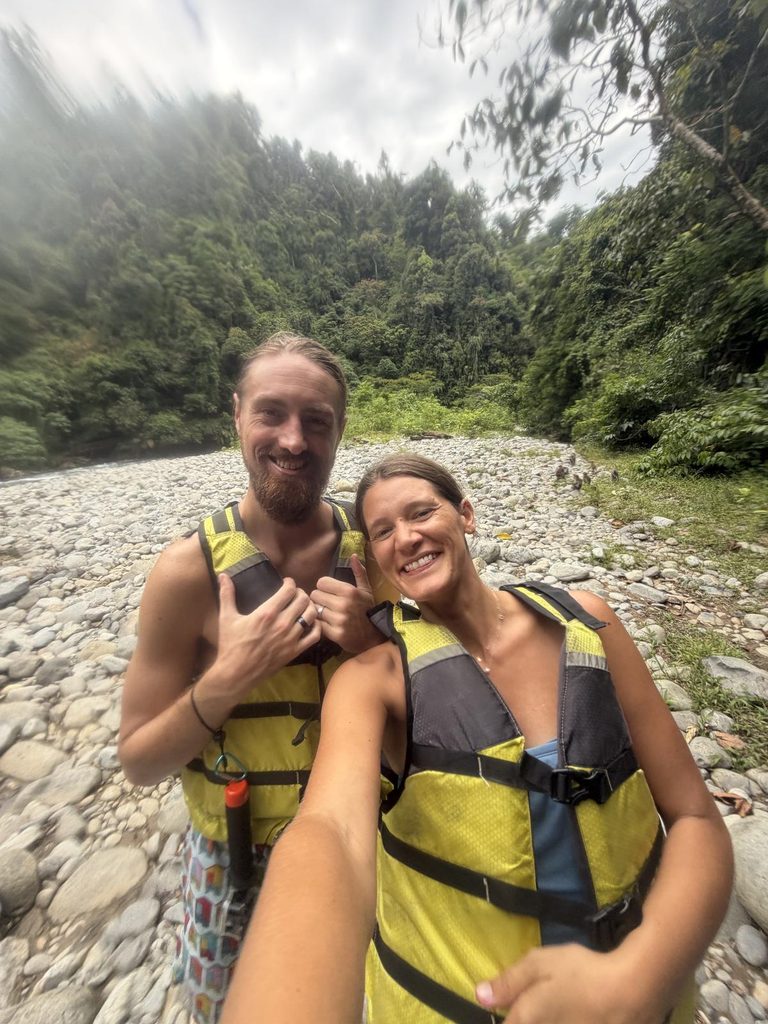
After the final stretch of trekking, we came back via the river. It was the best ending imaginable, the water was so cool and refreshing after being so hot trekking for so long. The guides helped us hike and sometimes rappel down a steep jungle hill to the bank of the river. Then we got to relax on the side of the river for a little bit before floating downstream on rafts for about 25 minutes. We floated through a few small rapids, watching the jungle give way to the outskirts of town. We visited on a local holiday, so both banks of the river were full of people swimming and playing in the water. The river took us all the way to the SOE base that we originally started our trek in the morning at.
What Does A Sumatra Orangutan Trek Cost?
Here’s the breakdown:
| Expense | Cost (Per Person) |
| 1-day guided trek (SOE) | $65 USD |
| Airport transfer (Medan–Bukit Lawang) | $45 USD |
| Budget lodge (per night) | $15 USD |
| Food & drinks on trek | Included in trek fee |
Total for the experience (3 night, 1 day trek): $169 per person ($367 for a couple) for 3 nights lodging, all meals, airport transfers to/from Medan and 1 day of orangutan trekking. Note that we decided to spend a day relaxing in Bukit Lawang the day following our trek so that we wouldn’t just drive in and drive out so quickly.
We didn’t include travel insurance in the breakdown above because we’ve had our coverage throughout our entire trip rather than specifically for Indonesia, but it’s definitely a cost to factor in. We use and recommend Genki (you can read our full review here).
Where to Stay
A fair warning, Bukit Lawang is remote and the lodging reflects that! We booked our accommodation only 1 week out and so had limited options, so we ended up being further away from town than we would’ve liked. We had to choose between air conditioning and hot water as amenities, we couldn’t find a place that offered both. WiFi was also available but inconsistent.
What the accommodation lacked in amenities, it made up for in hospitality. The owners helped coordinate our airport transfer, drove us around when we needed to find an ATM, and were genuinely invested in making everything work and ensuring that we were cared for. You could tell that the owners cared about being as accommodating to us as they could be.
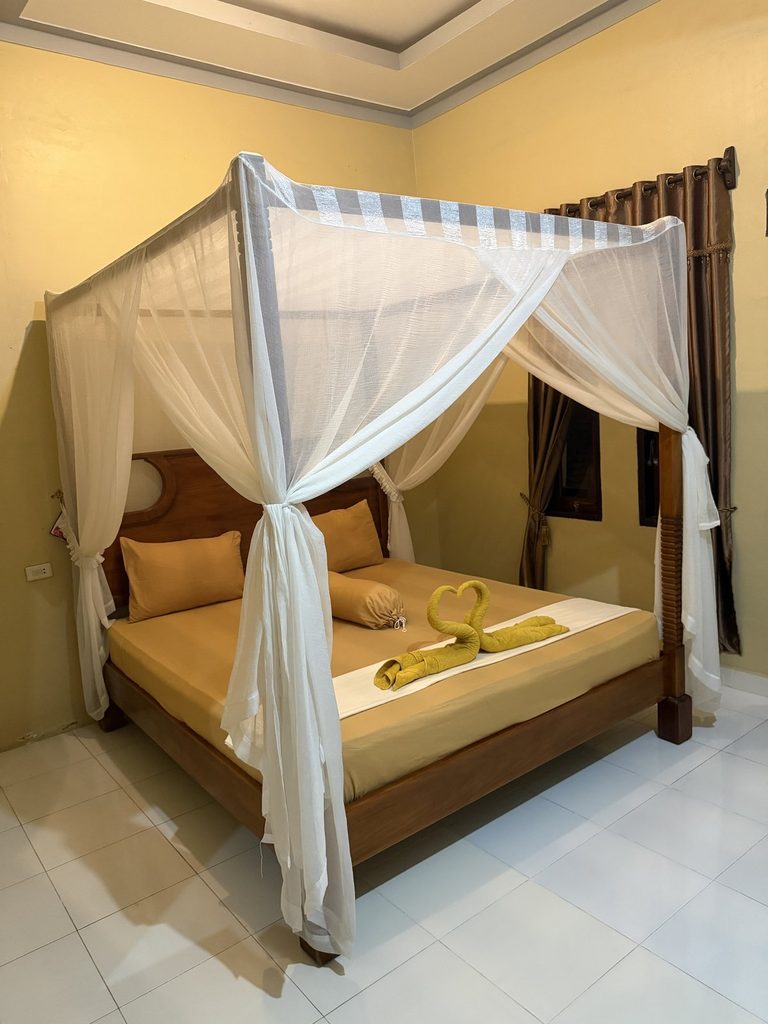
Our trekking company had accommodations, which would have been our first choice if we had booked with more time to plan! Since we booked only 1 week out, we had to have the trekking company pick us up from lodging, which was about a 10 minute scooter ride away. If you stayed with Sumatra Orangutan Explore, you would be able to leave directly from your lodge, which would make life a little easier.
Other spots that were recommended to stay at were:
Pro tip: Bring more cash than you think you need, our lodge was cash only.
Frequently Asked Questions
How long should my Sumatra Orangutan trek be?
We did 1 day and saw everything we hoped for. If you want to go deeper into the park, this will involve sleeping under a jungle canopy, and disconnecting completely, the 2–5 day treks could be more your style. As a heads up, the longer treks involve staying at more rustic campsites for the nights and going deeper into the park. It stormed every night we were there, so consider the weather when planning to a multiple day trek.
What should I pack?
- Long pants and long socks (This is essential! The undergrowth is dense and insects everywhere)
- Sturdy hiking boots (I have some Merrell’s that I love)
- Small daypack
- Quality water bottle / Water bladder (Bring more water than you think you need, we each went through 3 liters and having a water bladder was really helpful in making sure we were drinking enough)
- Mosquito repellent (available near the trailhead but bring your own to be safe)
- Waterproof phone case (for the tubing back, you’ll want to snap pics!)
Are orangutan sightings guaranteed?
No. But that being said, our guides put the odds at 70%+ on any given day, which is a pretty strong chance. We ultimately saw 5 on our one day trek but wildlife is wildlife. Longer treks improve your odds.
If you have questions about planning your Sumatra orangutan trek, reach out to us on Instagram @checkedouttocheckin — we’re happy to help.
Planning more wildlife experiences in Asia?
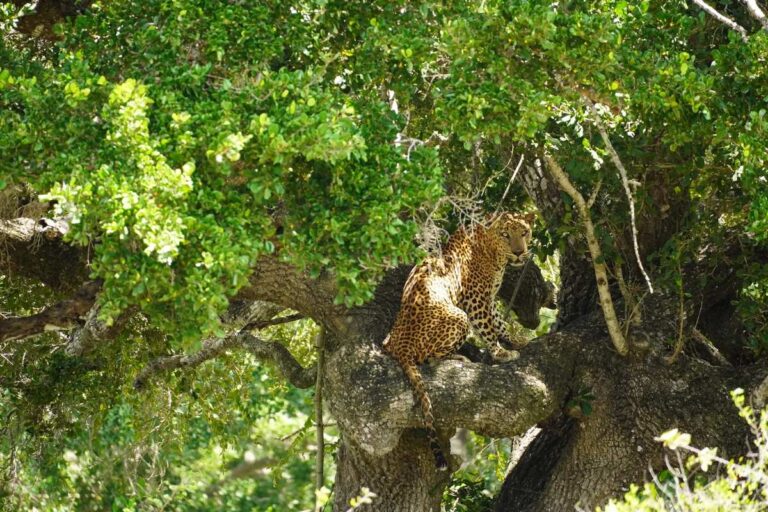
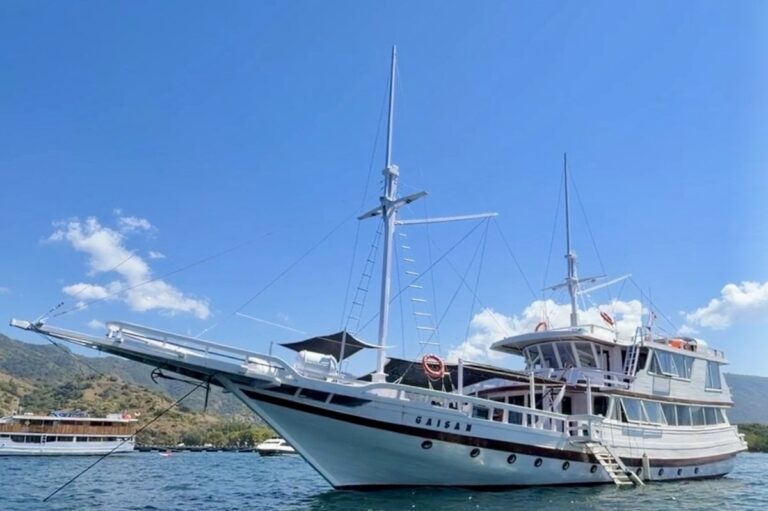
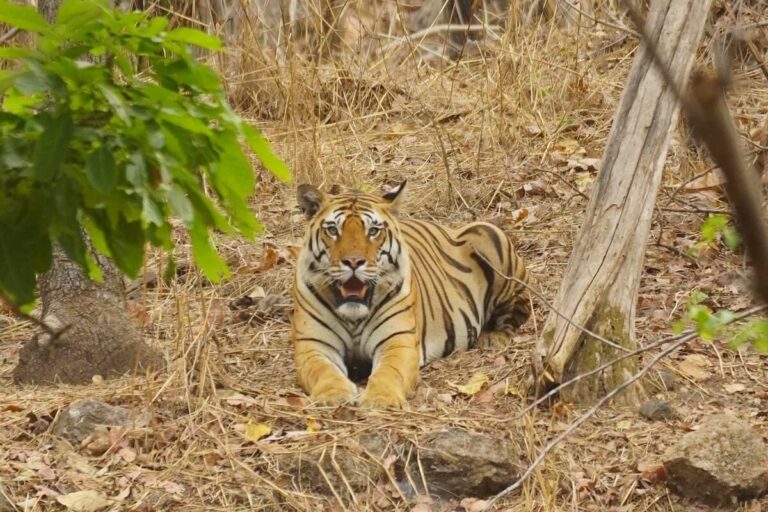
Don’t miss our guides to shark diving in the Philippines, tiger safari in India, leopard safari in Sri Lanka, and Komodo liveaboard in Indonesia.
P.S. – This post contains affiliate links for the gear and lodges we love. If you make a purchase or book directly through these links, we may earn a small commission at no extra cost to you. This helps us keep the blog running! 🙂
4 Comments